Professional dental cleaning: why brushing at home isn't enough
Brushing removes soft plaque, but it can't do anything about tartar that has already mineralised. Here is what actually happens during a professional cleaning session, and why the six-month interval isn't a made-up number.


Bacterial plaque builds up within hours of brushing. Within 24 to 72 hours, minerals in your saliva harden it and turn it into tartar. From that moment on, no toothbrush and no toothpaste can remove it, no matter how well you brush.
What happens during a session
- Ultrasonic scaling: the vibration detaches tartar from the enamel and from under the gum line.
- Air flow: a jet of air, water and fine powder removes coffee, tea and tobacco stains.
- Brushing with an abrasive paste and polishing, so the surface stays smooth and plaque has a harder time sticking.
- Fluoride treatment, optional, for sensitive teeth or teeth at risk of decay.
The whole session takes 40 to 60 minutes and needs no anaesthesia. If the gum is already inflamed, the first minutes can be sensitive, a sign that the scaling was needed.
How often
Every six months for most patients. Every three or four months if you smoke, wear braces, have implants or have already had periodontal treatment. The interval is set at your check-up, not by a general rule.
Frequently asked questions
Does scaling thin the enamel?
No. The ultrasound acts on the tartar, not on the enamel. The feeling of sensitivity after the session comes from the neck areas of the teeth left exposed under the removed tartar, and it passes within a few days.
How much does a complete cleaning cost?
The current price for scaling, air flow and polishing is on the prices page. The consultation where we establish what you need is free.
Can I eat right after?
Yes. If a fluoride treatment was also done, wait 30 minutes before eating or drinking.
Keep reading
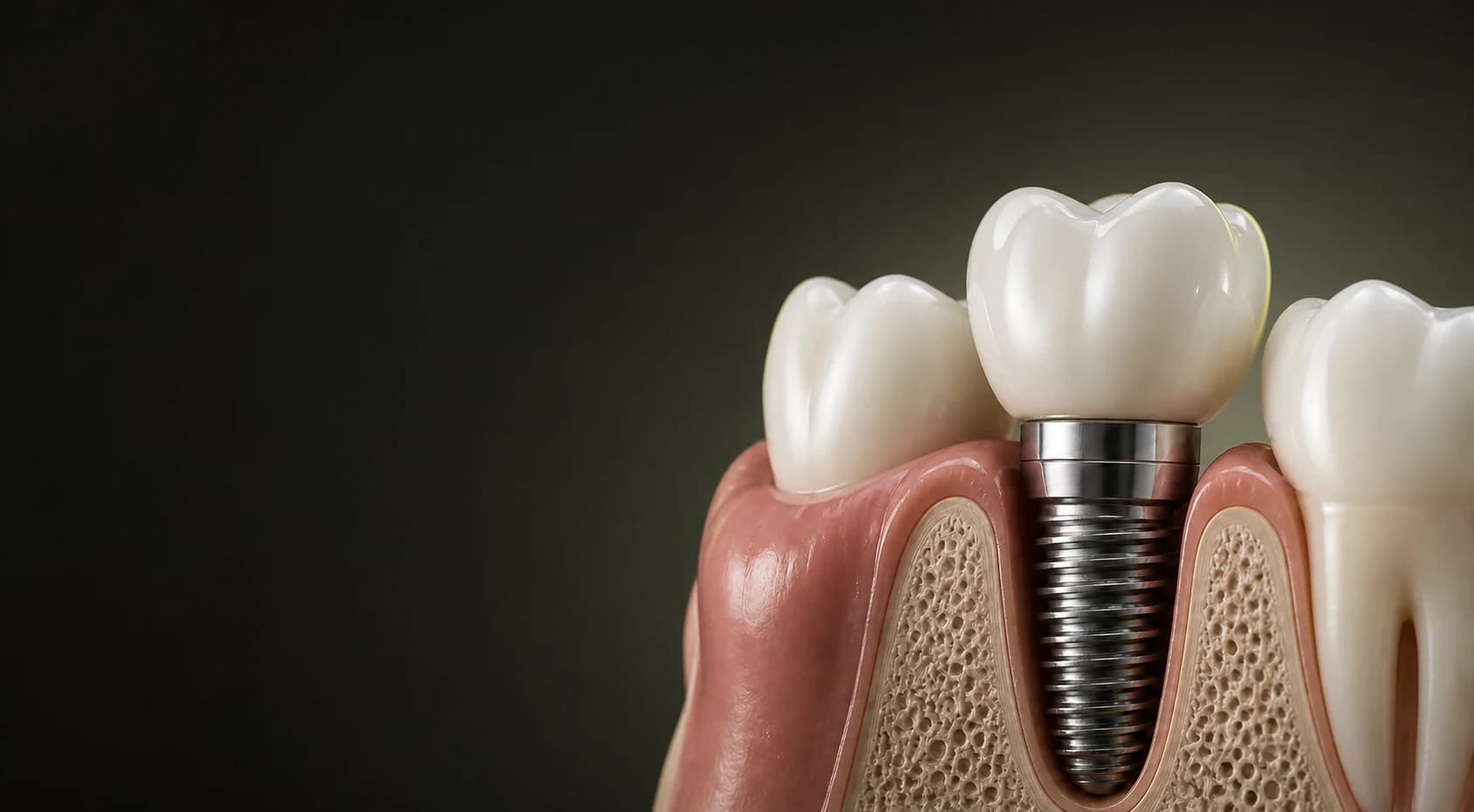
Dental implants, step by step: from consultation to the final crown
An implant is not done in a single visit. There are four stages, spread over a few months, and the longest is the one where nothing visible happens. Here is what follows each step.
14 July 2026

Toothache on a weekend. What to do until you can see a dentist
The first hours matter, and some popular remedies do harm. What actually helps, what you should never do, and the signs that mean you should not wait until Monday.
12 June 2026

Teeth whitening: what results are realistic and how long they last
Whitening lightens the natural colour of your teeth by two to four shades. It does not change the colour of fillings and crowns, and that changes the order in which things should be done.
28 May 2026